


Inheriting farmland can be both an opportunity and a responsibility. For heirs who may not be involved in day-to-day operations or have spent little time managing agricultural property, their logical first instinct may be to sell, especially as U.S. farmland values reach record highs, making a farmland inheritance a significant asset. However, while selling may seem like an easy way to turn that inheritance into cash, it’s important to take time to truly understand the importance of this inheritance and what it can provide now and into the future before putting it on the market.
Here are five decisions to consider:
1. Decide what the land is worth to you.
Farmland has a financial value, but it can also have family, emotional and legacy value. Ask what the land represents and what this inheritance will accomplish. Is the goal to create income? Preserve an asset for the next generation? Give a farming family member an opportunity? Support conservation? Or provide liquidity for other financial goals? There isn’t necessarily one right answer. Understanding your priorities first can help determine whether selling makes sense or whether another approach better aligns with what you want from the inheritance.
2. Decide whether you want to keep, lease or sell.
Selling isn’t the only way to turn inherited farmland into an asset. An heir who doesn’t farm can potentially retain ownership while leasing the property to an operator. Others may consider restructuring ownership among family members, selling a portion of the property, placing land into a conservation easement or holding it as a long-term investment. The right path depends on the property, the owner’s financial circumstances, family goals and willingness to remain involved. The important point is to consider the full range of possibilities before making an irreversible decision.
3. Decide how the land should be managed.
If an heir decides to keep the property, that doesn’t necessarily mean that they need to become a farmer. A professional farm manager, trusted tenant farmer or farmland advisor can help oversee leases, maintenance, improvements and other aspects of ownership. Understanding the responsibilities as well as the potential income and expenses of retaining the property can help an heir compare ownership with a sale. This is also a good time to review the existing lease, if there is one. Understand its terms, expiration date, rental arrangement and any obligations that come with the property.
4. Decide what the tax and financial implications are.
Before selling inherited farmland, understand the financial consequences. The tax basis of inherited property, potential capital gains, estate considerations and other tax issues can affect the economics of a sale. For most farmland inheritances, there isn’t any tax required at the time of inheritance; however, the tax basis resets to the fair market value on the day the previous owner died, which means if an heir decides to sell it, they will be required to pay capital gains tax on any increase in value that happened after they inherited the land. Details vary depending on the circumstances and the state where the land is located. It’s important to consult qualified tax and legal professionals before making a final decision. It’s also worth looking beyond the immediate proceeds from a sale. Compare those proceeds with the potential income, appreciation and other benefits that could come from retaining the land.
5. Decide how the family will make the decision, together.
Farmland inheritance doesn’t come down to a simple financial decision. When multiple heirs are involved, everyone has a different idea about what should happen to the property. One sibling may want to sell while another may want to farm it. Someone else may want to hold the land for the next generation. Those differences can become difficult if they’re not addressed early. Before making a major decision, have an honest conversation about what each person wants and why. In some cases, bringing in a neutral advisor or mediator can help families work through competing priorities and identify options that may not have been obvious at the outset.
Estate planning professionals can find additional resources to share with clients at americanfamilyfarmland.com/farmland-support-for-professional-advisors.
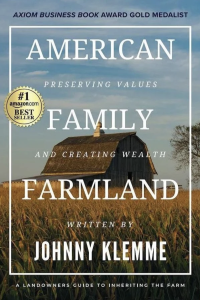
Johnny Klemme works with farm families, landowners, investors and advisors navigating the challenges of inherited farmland, succession and legacy. He explores these same themes in his bestselling book, “American Family Farmland: Preserving Values and Creating Wealth,” bringing real-world insights to audiences nationwide and helping organizations spark meaningful conversations about land, family, wealth and legacy.
If you would like to have Johnny speak at your next meeting, conference or event, or would like copies of his book for your next function, please contact Kristen Schmitt at smallpresspublicist@gmail.com.


