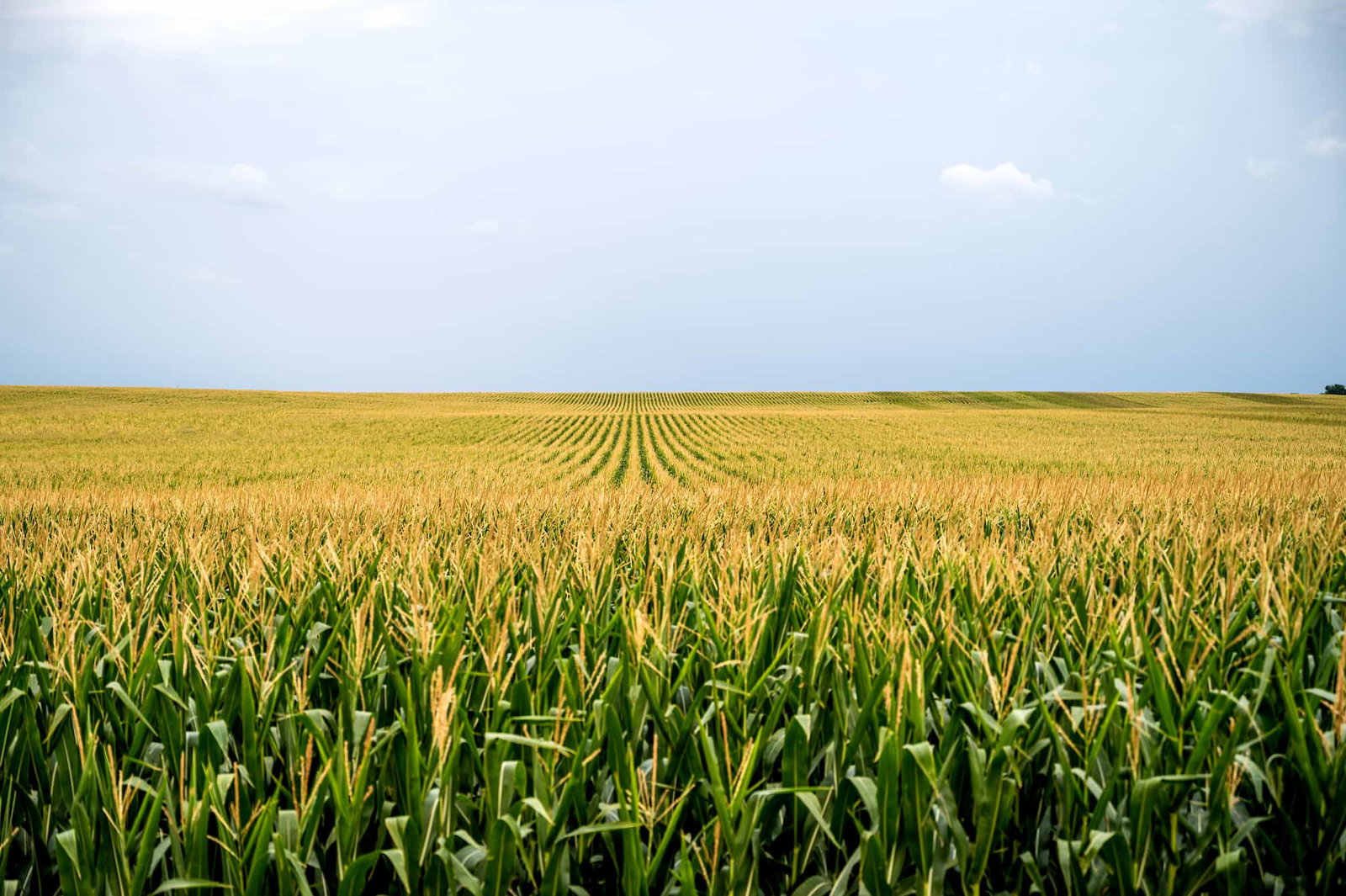


For farmers, seed is where every growing season begins.
But before a bag of seed ever makes its way to Illinois farmland, there is a process behind it—one that involves testing, evaluation, certification, research and quality control.
That process was on display during the Illinois Crop Improvement Association’s Open House, where the organization welcomed members of the agricultural community into its expanded facility to see that work firsthand.
Nearly eight months after settling into its newly expanded space, Illinois Crop Improvement Association opened its doors to those they serve, offering a behind-the-scenes look at seed testing, greenhouse operations, purity testing, the Puerto Rico Winter Farm and more.
For visitors, it was an opportunity to see a side of agriculture that often happens behind the scenes—and to better understand what goes into ensuring the seed and grain moving through the agricultural system meets the standards expected by growers.
A New Space Built Around the Work
The building expansion nearly doubled the size of Illinois Crop Improvement Association’s facility.
After several months of working in the new space, CEO Doug Miller said one of the biggest changes has been the way work moves through the building.
“What was once a circuitous route, samples and subsamples doubling back through shared spaces on their way from check-in to final report, has been straightened into a linear path,” Miller explained.
Instead of samples moving back and forth through shared areas, the expanded facility allows the work to progress more naturally from one step to the next.
For the first time, germination, purity and evaluation areas have their own dedicated spaces.
The result is a more streamlined process with less handling, fewer opportunities for samples to be misplaced or delayed, and more consistent turnaround for customers.
The additional space has also allowed the organization to store more supplies in-house, reducing interruptions and creating a better working environment for its team.
The Open House gave visitors a chance to see that transformation for themselves—not simply as a larger building, but as a space designed around the work Illinois Crop Improvement Association performs every day.
So, What Does a Crop Improvement Association Do?
For someone outside the seed industry, the role of a crop improvement association may not be immediately obvious.
Illinois Crop Improvement Association’s original charter was broad: to do anything that improves Illinois agriculture and the income derived from it.
Historically, that has meant helping raise the confidence level of seed.
Today, the organization serves a diverse group within the seed and grain industry, including farmers, plant breeders, grain merchandisers and researchers. Its primary clients include seed companies looking for testing and certification services related to germination, purity and quality.
At its core, Illinois Crop Improvement Association provides independent services that help measure the quality and performance of seed and grain.
Miller described the importance of that role through a quote from one of the organization’s founding fathers, J.C. Hackleman:
“Seed is not like buckshot or pig iron in that its value is determined by its weight, it is the quality, breeding, and potential life that is represented in the seed.”
That idea gets to the heart of why seed testing matters.
A seed may be small, but what it represents is anything but. Its quality, genetics, viability and potential all contribute to what happens once it reaches the soil.
What Happens Before Seed Reaches Illinois Farmland?
During the Open House, visitors had the opportunity to see several pieces of that process firsthand.
Seed testing helps answer important questions about the product being produced and sold.
Is it what it is supposed to be?
Will it germinate?
How pure is it?
Does it meet the expectations of the grower?
Illinois Crop Improvement Association helps provide those answers through services including germination testing, purity testing, seed certification and other evaluation services.
Miller explained that seed and grain production is a process-driven endeavor.
“From isolation to detasseling, timing and agronomics, a process is used to achieve the desired product,” he said. “Without testing there is no way to know that the process worked.”
Testing, then, is more than simply checking a finished product. It is a way to measure and guide the process that created it.
That independent measurement can provide confidence throughout the seed and grain development chain.
From the Greenhouse to Puerto Rico
One of the more unique aspects of Illinois Crop Improvement Association is the breadth of its work.
During the Open House, visitors could learn about the organization’s greenhouse operations as well as its Puerto Rico Winter Farm, an offering Miller says sets Illinois Crop Improvement Association apart from other crop improvement associations.
The Puerto Rico Winter Farm allows the organization to be involved in another part of the seed development process, while its Identity Preserved Grain Lab extends its services into grain production and processing.
Together, these operations give Illinois Crop Improvement Association experience across a broad portion of the agricultural supply chain—from seed research to grain processing.
That breadth is part of what Miller believes makes the organization unique.
“We are truly an independent not for profit that serves as an unbiased resource for anyone in agriculture who is interested in improving what we produce here in Illinois and across the country,” Miller said.
Why Independent Testing Matters
Agriculture is built on relationships, but it is also built on confidence.
Farmers need confidence in the seed they plant. Seed companies need confidence in the products they sell. Researchers and breeders need reliable information as they develop new varieties. Grain businesses need to understand the quality and characteristics of what they are handling.
An independent organization can provide another layer of confidence within that system.
Because Illinois Crop Improvement Association operates as an independent, not-for-profit organization, it can serve as an unbiased resource for agricultural businesses and individuals.
Miller noted that without crop improvement associations, many of these functions would become incorporated into individual seed companies or organizations.
That could leave individuals and businesses without the resources or ability to conduct certain testing and inspection services independently.
The value of an organization like Illinois Crop Improvement Association extends beyond a single test or certification. It provides a resource that helps different parts of agriculture make informed decisions about the products they produce, sell and use.
Bringing Agriculture Together
Perhaps one of the most valuable parts of the Open House was simply opening the doors.
Those who attended were able to walk through the facility, see the testing process, ask questions and better understand the work that happens behind the scenes.
It was a day of learning, but it was also a day of connection.
Lunch was served, conversations happened throughout the facility, and people who rely on Illinois Crop Improvement Association’s services had the opportunity to see where and how that work is done.
For those in agriculture, opportunities like this matter.
The more we understand about the processes that support our industry, the better equipped we are to appreciate the people and organizations working throughout it.
Seeing the Seed Supply Chain Differently
A trip to Illinois Crop Improvement Association is a reminder that agriculture extends far beyond the field.
There are researchers, breeders, seed companies, laboratories, testing facilities, inspectors, grain businesses and countless others working together long before a planter enters a field.
Seed testing may not be something most farmers see happening, but it plays an important role in the confidence behind the seed they plant.
And that confidence matters.
As Miller put it, Illinois Crop Improvement Association helps its clients sell seed confidently, knowing that its “viability, vigor, and purity meet and exceed the expectations of the grower.”
That work ultimately connects back to the farm.
Quality seed supports productive agriculture. Reliable testing supports quality seed. And independent organizations like Illinois Crop Improvement Association help provide the information and confidence needed throughout that process.
The Open House offered a rare opportunity to step inside that process, ask questions and see the work for ourselves.
It was a valuable reminder that sometimes understanding agriculture means looking beyond the field—and taking a closer look at everything that happens before the seed ever gets there.
About Illinois Crop Improvement Association
Illinois Crop Improvement Association is an independent, not-for-profit organization serving the seed and grain industries through seed certification, testing, evaluation and other agricultural services. Its work supports farmers, seed companies, plant breeders, researchers, grain merchandisers and others throughout the agricultural supply chain.
At Geswein Farm & Land, we believe understanding agriculture and the people who make it possible is part of understanding farmland value. Learn more about our team and the services we provide at www.gfarmland.com.